Why Modifications Matter More Than You Think
RVs are designed and engineered as complete systems. When a caravan or motorhome leaves the factory, its chassis strength, suspension capacity, braking performance and weight distribution are all matched to its original specifications.
When components are added, removed or altered, that balance changes. Without careful planning, even well‑intended upgrades can create new safety risks – particularly when weight, structural integrity and braking performance are affected.
Common Modifications That Can Increase Risk
Additional Batteries and Solar Systems
Lithium batteries, inverters and solar setups are popular and heavy.
- Battery upgrades can add significant weight
- Weight is often concentrated in one area
- Electrical systems may be pushed beyond original design limits.
Over time, this can stress suspension, wiring and mounting points.
Extra Water Tanks and Storage
Adding water capacity or external toolboxes is another common upgrade.
- Water weighs 1 kg per litre
- Storage tends to get filled “just in case”
- Weight is often added behind the axles.
This can affect axle loads, tow ball weight and vehicle stability.
Suspension Lifts and Larger Tyres
Lift kits and bigger tyres may improve clearance, but they also:
- Raise the centre of gravity
- Change handling characteristics
- Affect braking performance.
If not engineered correctly, these modifications can compromise control during emergency manoeuvres.
Tow Coupling and Hitch Changes
Swapping couplings or adding accessories between the vehicle and trailer can:
- Alter load ratings
- Impact articulation behaviour
- Increase stress on mounting points.
Incorrect or mismatched components can quickly become a safety issue.
The Weight Problem: Small Changes Add Up
Many RVs become overweight not due to one major change, but through gradual additions:
- A second battery here
- A toolbox there
- Extra chairs, hoses and equipment inside.
Owners may still believe their RV is compliant because it once was, but its actual operating weight may now exceed legal or safe limits.
Weight issues affect:
- Braking distance
- Tyre and suspension lifespan
- Insurance validity in some situations.
DIY Modifications vs Professional Standards
DIY ingenuity is common in the RV community, but safety‑critical systems don’t always tolerate shortcuts. Problems often arise when:
- Mounting points aren’t reinforced
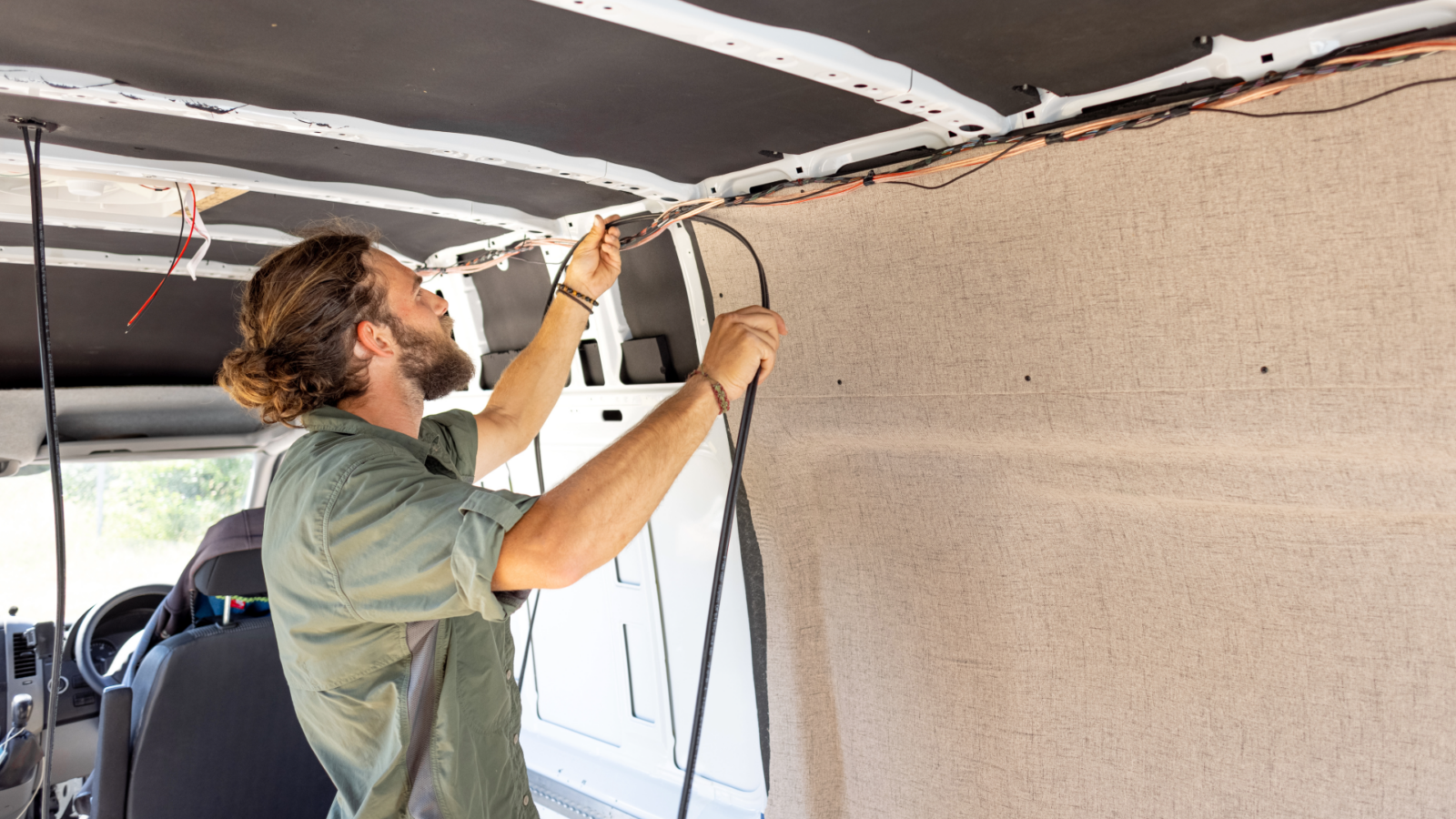
- Wiring is undersized or poorly routed
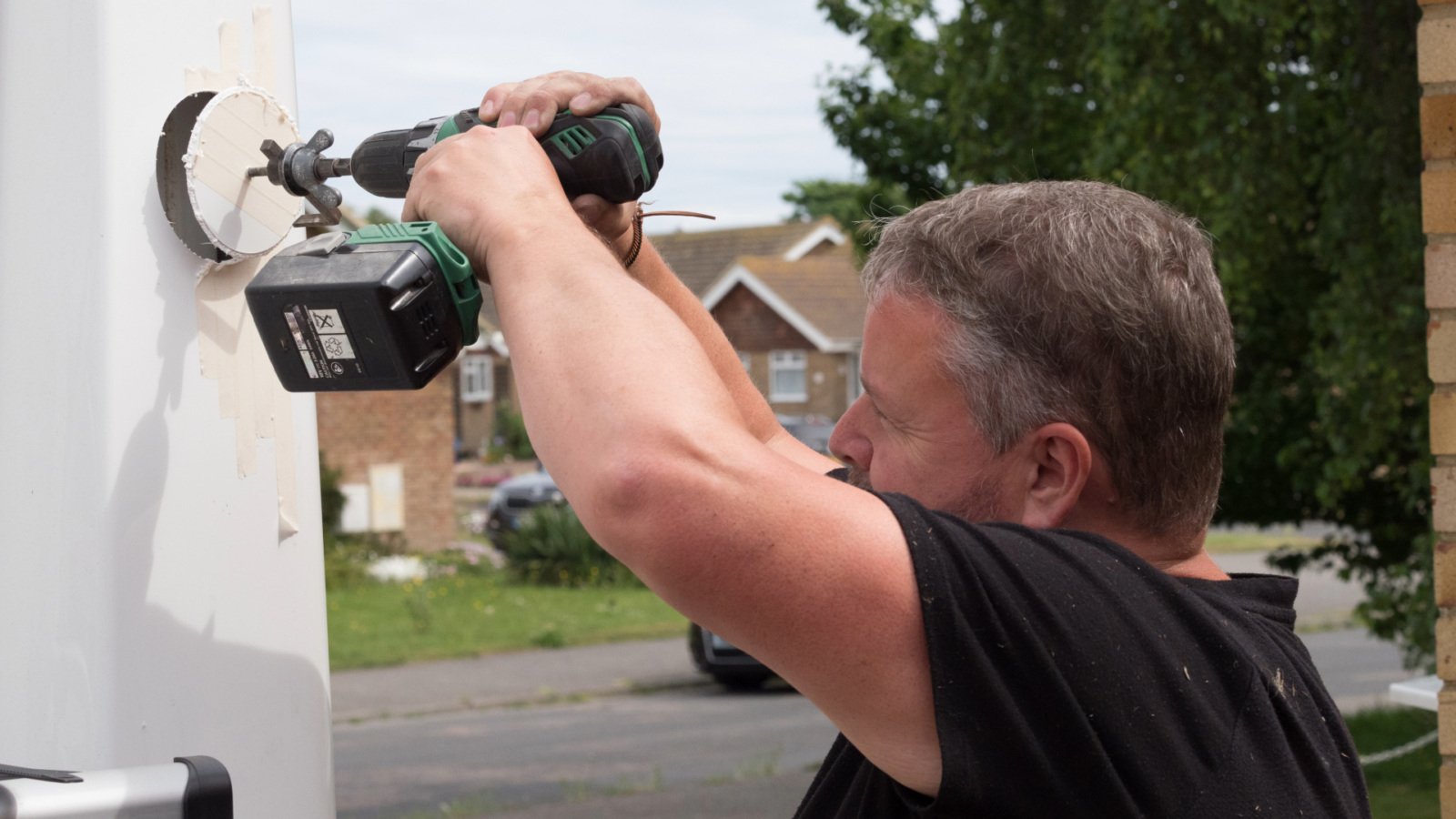
- Structural components are drilled or welded incorrectly
- Engineering advice isn’t sought for major changes
Even modifications that “seem to work fine” can introduce hidden weaknesses.
Compliance Isn’t Static
Another key consideration is that compliance standards evolve. A modification that might have been acceptable years ago may no longer meet current safety expectations.
When buying a second‑hand RV, it’s common to inherit:
- Uncertified modifications
- Incomplete documentation
- Changes made by multiple previous owners.
This makes professional assessment even more important.
How to Modify Safely
Safe modification isn’t about avoiding upgrades; it’s about doing them deliberately. Consider:
- Understanding weight limits before adding equipment
- Keeping accurate records of modifications
- Using certified components and qualified installers
- Periodically reviewing the RV as a complete system.
Independent inspections can identify when a series of small changes has created a bigger safety concern.
When to Seek a Safety Review
A professional inspection is strongly recommended if:
- Your RV has had multiple modifications over time
- Major systems (suspension, braking, electrical) have been altered
- You’re unsure of its current weight or compliance status
- You’ve purchased a modified RV second‑hand.
Catching issues early can help prevent breakdowns, handling problems or roadside emergencies.