They’re an everyday feature of life on the road, but why are “DO NOT OVERTAKE TURNING VEHICLE” signs important, who can use them and what implications do they have for drivers?
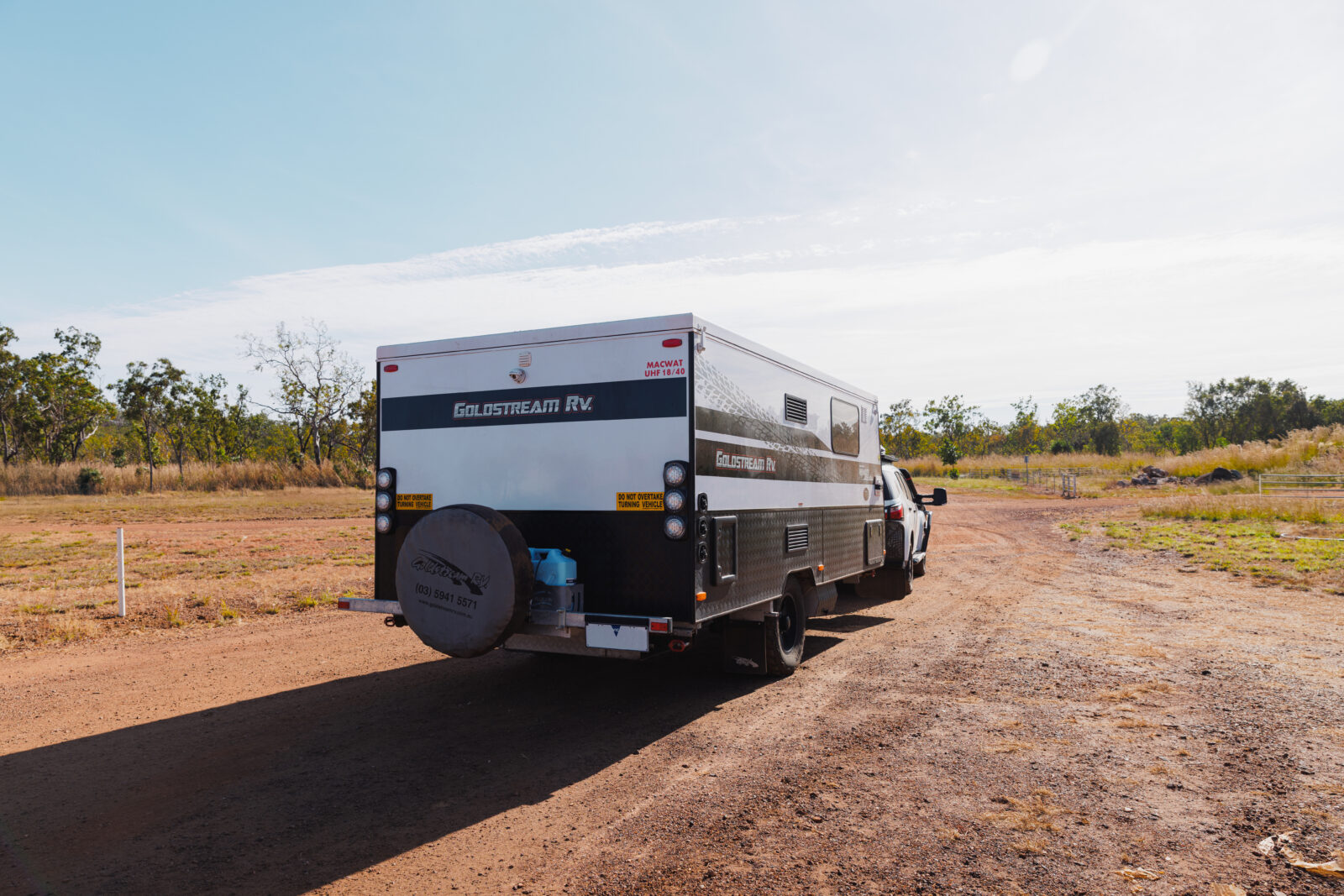
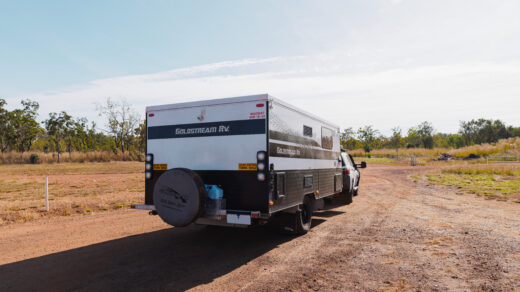
If you’re towing a caravan or driving a large motorhome, you’ve probably spotted signs on the back of trucks reading: “DO NOT OVERTAKE TURNING VEHICLE”. These signs aren’t just a suggestion – they’re governed by specific Australian legislation. It’s worth understanding the rules. They exist to keep you, your family and other road users safe.
Why These Signs Matter
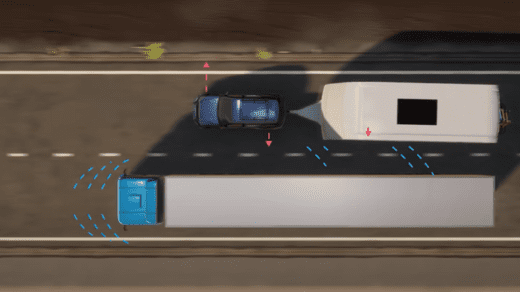
Big vehicles turn differently than cars. When a motorhome or towing combination turns –especially left – it needs to swing right, use more than one lane and allow space for trailer ‘cut-in’. New South Wales Government guidance encourages drivers of large vehicles to position themselves so that following vehicles can’t safely pass during a turn. The sign reinforces this message and reduces dangerous overtaking attempts.
Who Can Display the Sign? The 7.5 Metre Rule
Here’s the key rule for RVers:
Your vehicle – or vehicle and trailer combination – must be 7.5 metres or longer to legally display the sign. Displaying the sign on a vehicle less than 7.5 metres long is an offence and attracts penalties. For RVers, this means many combinations qualify; large motorhomes, towed caravans and fifth wheelers will likely meet the threshold. Smaller vans typically won’t.
Installation Requirements
If your vehicle qualifies, your sign must meet specific legal standards:
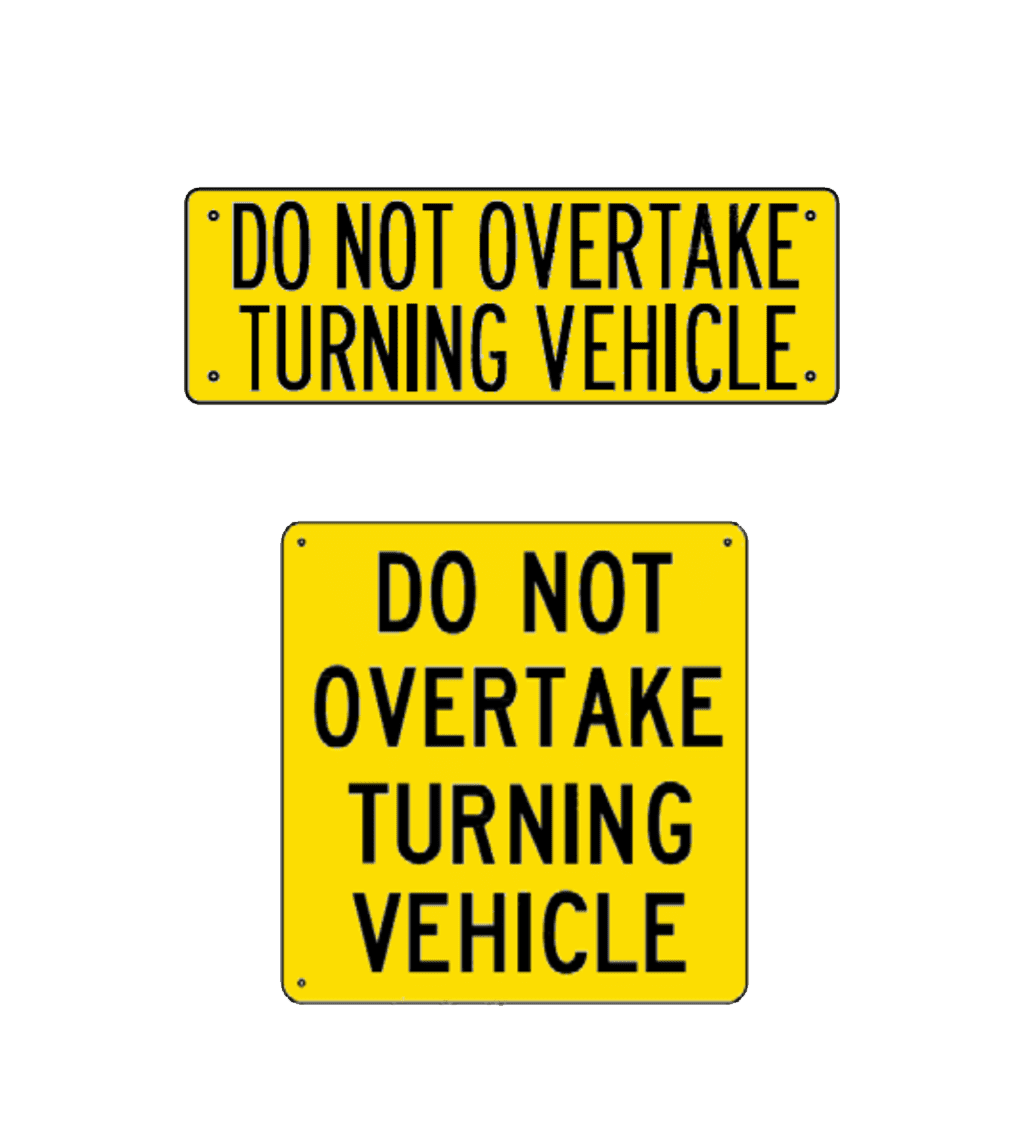
Wording: Display exactly “DO NOT OVERTAKE TURNING VEHICLE” – no substitutes.
Size: Minimum area of 0.125 square metres (roughly 400mm × 400mm) with letters at least 50mm high. This ensures readability from 200-plus metres away.
Placement: Mount on the rear of your vehicle or trailer, clearly visible and unobstructed by bike racks or spare wheels.
Materials: Use high-visibility or reflective materials (Class 1 or Class 400 reflectivity) with durable, weather-resistant fabrication for day and night visibility.
Does the Sign Give You Extra Rights?
No. It’s a communication tool, not a legal exemption. It does signal that your vehicle may use more than one lane when turning, and other drivers are legally expected not to overtake. But you must still indicate early, check mirrors and blind spots, and ensure your turn is safe. Your driving behaviour is your primary safety tool – the sign is a backup.
Where to Get a Compliant Sign
Purchase from reputable suppliers:
- Caravan and RV parts retailers – Check size and reflectivity standards.
- Heavy Vehicle suppliers – Best for fully compliant, durable signs.
- Online safety sign providers – Confirm Australian standards compliance, suitable for 7.5m (and longer) vehicles, with Class 1 reflectivity.
Avoid novelty or undersized signs – they won’t meet legal requirements or be effective.
Best Practice
✓ Check if your vehicle is 7.5m or longer (including trailer).
✓ Only install if you meet the threshold.
✓ Keep it clean and visible.
✓ Signal early and position clearly when turning.
✓ Don’t rely on the sign alone – assume other drivers might ignore it.
✓ Plan turns in advance, especially on highways.
Safe Travels
For RVers, a “DO NOT OVERTAKE TURNING VEHICLE” sign is a legally controlled safety device. When used correctly, it communicates your turning intentions, reduces dangerous overtaking and supports safer turns. But here’s the bottom line: your awareness, skill and defensive driving are your best safety tools. The sign helps others understand what you’re doing. The rest is up to you.