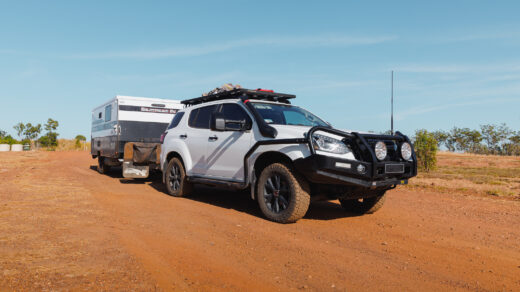
Australia is a land of dramatic and unpredictable weather. One morning you may be driving under clear blue skies; by afternoon, a storm cell rolls in with little warning. For RV travellers – particularly those towing a caravan – weather isn’t just about comfort. Understanding how different weather conditions affect your rig, and how to respond, is one of the most important skills any RV traveller can develop.
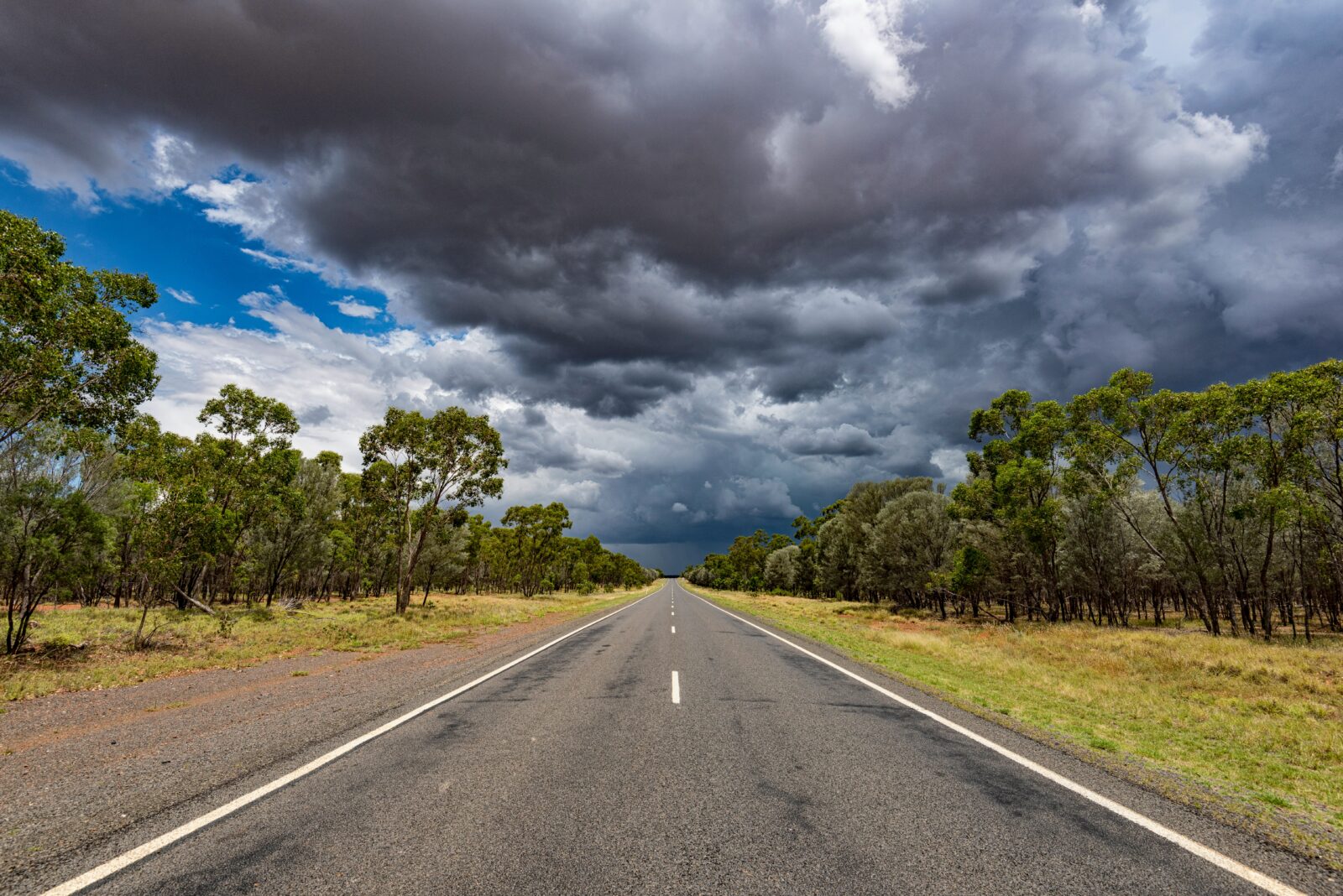
© Cameron McPhee/Unsplashed
Wind and Crosswinds: The Towing Driver’s Biggest Challenge
Wind is one of the most underestimated hazards for caravanners. A caravan or motorhome presents a large surface area, making it highly vulnerable to crosswinds and sudden gusts from passing trucks or road trains. At highway speeds, a strong gust can cause sway, and if not corrected early, that movement can escalate into a dangerous fishtail.
Risk increases on exposed highways, long open stretches with no windbreaks, and when overtaking or being overtaken by large vehicles. Wind warnings in weather forecasts should always be taken seriously.
In strong winds:
- Slow down – speed greatly amplifies sway risk
- Increase trailing distance
- Keep steering smooth and avoid over‑correcting
- If sway begins, ease off the accelerator gradually – do not brake hard – and apply your trailer’s electric brakes manually
- Ensure correct loading, with heavy items kept low and central to the axle
In addition to good loading and driving practice, properly set up towing aids, such as weight distribution hitches and caravan electronic stability control (where fitted), can help reduce sway risk.
Rain and Wet Roads: Stopping Distances Increase Rapidly
Wet roads dramatically reduce tyre grip, and the impact is amplified when towing. Even in dry conditions, a fully loaded RV needs far more distance to stop than a standard car. Add rain, and braking distances can increase by up to 50 per cent or more, depending on speed, tyre condition and overall load.
Heavy rain also reduces visibility. Spray from large vehicles can briefly blind drivers, leaving little time to react. Wet conditions require a calmer, more conservative driving style.
In wet weather:
- Increase trailing distance well beyond dry‑weather margins
- Reduce speed – treat limits as maximums, not targets
- Avoid sudden braking, sharp steering or aggressive acceleration
- Pull over safely if rainfall becomes too heavy to drive confidently
- Check caravan brakes and brake controllers before each trip
Fog: When You Can’t See Far Enough to Stop
Fog is common in many regional areas, particularly in valleys and near waterways. For RVs, dense fog is especially dangerous, as it’s easy to travel faster than your visible stopping distance.
If you encounter fog:
- Use low‑beam headlights (high beam reflects and worsens visibility)
- Reduce speed significantly and increase trailing distance
- Scan constantly for slow‑moving or stopped vehicles
Hazard lights are appropriate only if you are stopped or moving very slowly due to extremely poor visibility. If you can no longer safely see the road ahead, pull completely off the road in a safe location and wait it out. Never assume other drivers can see you.
Extreme Heat: The Hidden Risk
Heat presents serious risks beyond driver fatigue. High temperatures increase tyre pressure and soften tyre compounds, raising the risk of tyre failure – particularly at highway speeds when towing. Under‑inflated, overloaded, or ageing tyres are especially vulnerable.
To reduce heat‑related risk:
- Plan driving days to avoid peak afternoon heat, where possible
- Check tyre pressures when tyres are cold
- Inspect tyres regularly for age, cracking or uneven wear
If a tyre blows while towing, hold the steering wheel firmly, maintain a straight line, ease off the accelerator gradually, and allow the vehicle to slow naturally before guiding it to the shoulder. Avoid heavy braking until speed is under control.
Before You Drive: Check the Forecast
The most effective weather‑related safety habit is simple: check the forecast before every driving day. If conditions look genuinely hazardous – strong winds, heavy rain, dense fog or extreme heat – delaying travel is a smart decision.