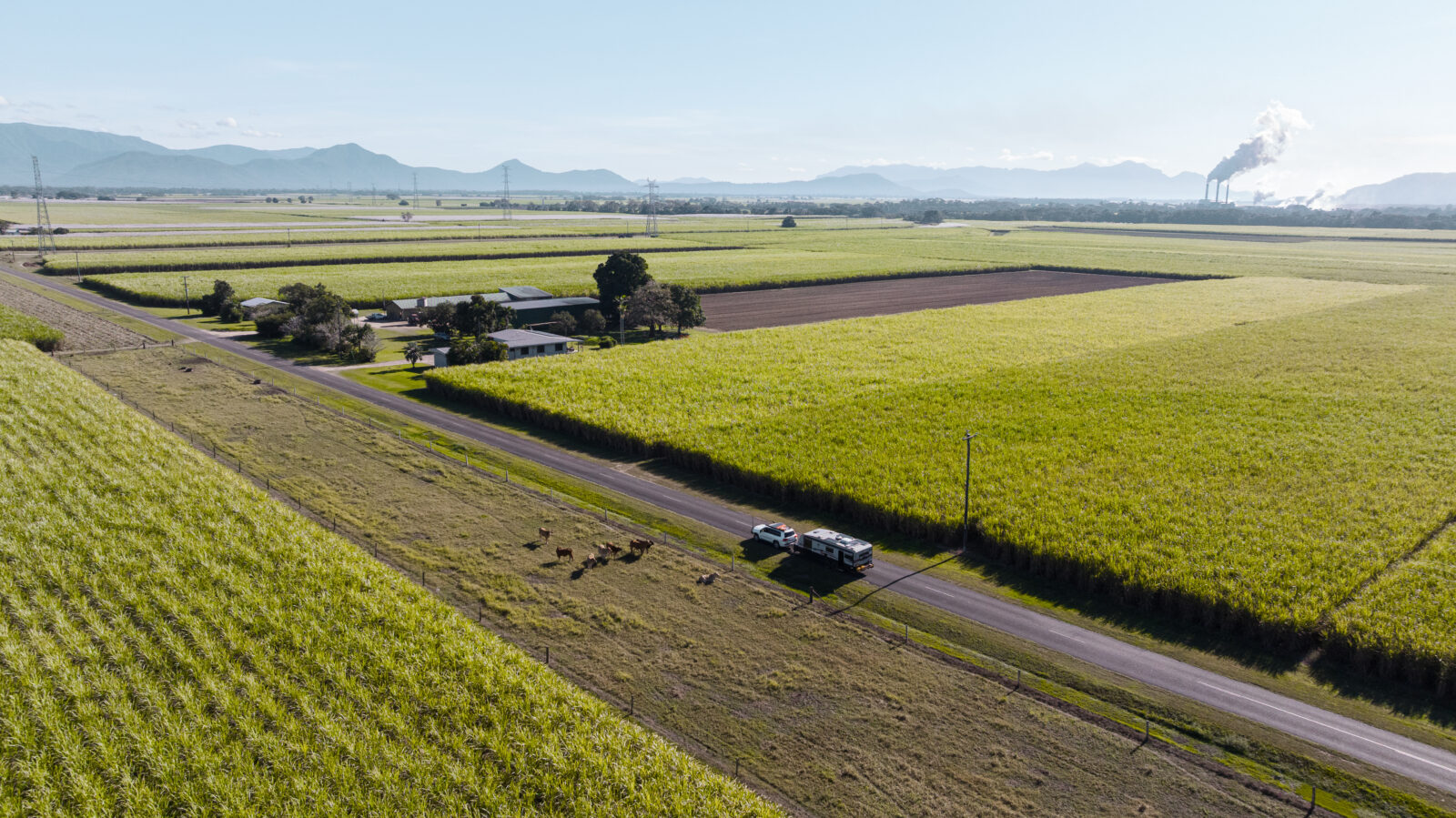
Driving on a Standard Car Licence
In Australia, a Class C licence generally allows you to drive vehicles up to 4.5 tonnes Gross Vehicle Mass (GVM) and carrying up to 12 occupants, including the driver. This covers most campervans and a large proportion of motorhomes on the market today.
For many travellers, this means there is no need to obtain a heavy vehicle licence to enjoy the RV lifestyle. Before purchasing a motorhome, however, it is important to check the vehicle’s GVM on the compliance plate or in the vehicle specifications, as some larger RVs exceed the 4.5-tonne limit.
When Do You Need a Heavy Vehicle Licence?
As motorhomes become larger, different licence classes apply:
Light Rigid (LR) Licence
Required for vehicles over 4.5 tonnes and up to 8 tonnes GVM.
Medium Rigid (MR) Licence
Required for vehicles over 8 tonnes GVM with two axles.
Heavy Rigid (HR) Licence
Required for vehicles over 8 tonnes GVM with three or more axles.
Many luxury motorhomes, bus conversions and expedition-style vehicles fall into these categories.
How Do You Upgrade Your Licence?
The process for obtaining an LR, MR or HR licence is generally straightforward. Most states require drivers to have held a car licence for a minimum period before upgrading, and to successfully complete training and a practical driving assessment or test.
Training typically covers:
- Vehicle familiarisation
- Daily safety inspections
- Basic heavy vehicle control
- Reversing and manoeuvring
- Driving skills
- Safe operation of larger vehicles
Many RV owners who upgrade their licence report that the training significantly improves their confidence and understanding of how larger vehicles handle on the road.
What About Towing?
Towing is another area that creates confusion for RV owners. For most, a Class C licence allows the towing of trailers, caravans and boats, provided the vehicle and trailer combination complies with manufacturer and road authority requirements.
Those driving larger motorhomes under LR, MR or HR licence classes can also tow trailers, although limits may apply depending on the licence class and vehicle configuration. If you plan to tow a vehicle, boat or large trailer behind your motorhome, check the applicable requirements first.
Are Licensing Rules the Same Across Australia?
The licence classes themselves are largely consistent across Australia and are recognised nationally. This means that if you hold the correct licence in your home state or territory, you can legally drive your RV anywhere in Australia.
However, the process of obtaining a heavy vehicle licence can vary between states and territories. Differences may include:
- Eligibility requirements
- Minimum licence holding periods
- Medical assessments
- Training and testing procedures
- Licence fees and renewals
Before applying for an LR, MR or HR licence, check the current requirements with your local licensing authority.
Where Can You Verify Your Licence Requirements?
For the latest licensing information, contact your state or territory road authority:
- Queensland: Department of Transport and Main Roads (TMR)
- New South Wales: Transport for NSW
- Victoria: VicRoads
- South Australia: My Licence SA
- Western Australia: Department of Transport WA
- Tasmania: Service Tasmania
- Australian Capital Territory: Access Canberra
- Northern Territory: Motor Vehicle Registry (MVR)
These agencies can provide advice on licence classes, heavy vehicle licence upgrades, towing requirements and any state-specific conditions.
The Bottom Line
Most Australians can enjoy RV travel using a standard Class C car licence, but larger motorhomes may require an LR, MR or HR licence. If towing forms part of your travel plans, make sure you understand both your vehicle’s capabilities and any licensing requirements that may apply.
When in doubt, check with your state or territory licensing authority before purchasing or driving an RV. We encourage all RV owners to understand their licensing obligations before they travel. Having the correct licence is not just about compliance. It’s about ensuring you have the skills, knowledge and confidence to enjoy safer travels wherever the road takes you.